Welded Frames & Machine Bases
Frames, bases, subframes and welded supports for equipment, mechanisms, production modules and process lines.

We fabricate parts, frames, housings, supports and welded assemblies from steel, stainless steel and aluminum. MIG/MAG, TIG or MMA is selected for material, thickness and joint design. Preparation, welding and machining form one production route.
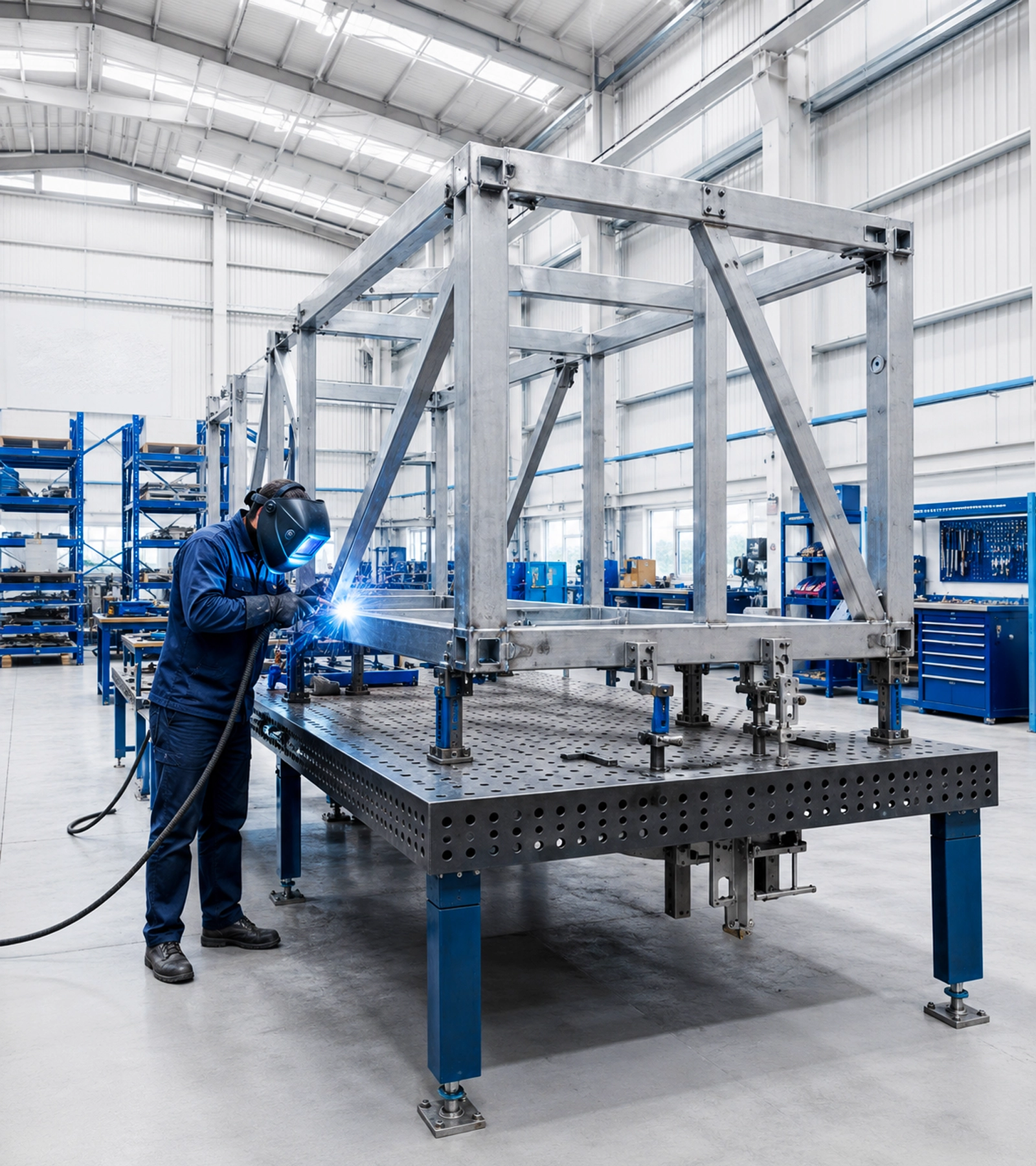
We fabricate welded parts, assemblies and auxiliary structures from customer documentation. Before production, we review the material, thickness, geometry, weld access, assembly sequence and required post-weld machining.
Frames, bases, subframes and welded supports for equipment, mechanisms, production modules and process lines.
Welded housings made from sheet and profile, protective guards, cabinet frames and enclosures for technical equipment.
Stands, support assemblies, brackets and mounting parts with holes, stiffeners and welded components.
Three-dimensional welded assemblies from round or rectangular tube, structural profiles and bar stock to assembly drawings.
Welded flanges, plates, embedded plates, lugs, gussets and mounting blocks with controlled positioning.
Carts, tables, stands, racks and fixture frames for production, assembly and logistics.
Welded assemblies combining profiles, sheet and machined parts for integration into machinery.
Custom fabrications from drawings, 3D models, sketches or specifications after technical review.
The welding process and operation sequence are selected by material, thickness, joint type, weld access, geometry, downstream operations and the customer's technical documentation.
MIG/MAG - welding for steel frames, housings, supports and repeat assemblies
TIG - welding of stainless steel and aluminum where heat input and weld appearance matter
MMA - manual arc welding for suitable steel structures, thicknesses and joint configurations
Edge preparation, cleaning, positioning, tack welding and assembly before final welding
Welding sequence planned to limit distortion and maintain critical dimensions
Post-weld machining of datum faces, holes, fits and threads where required
Weld dressing, grinding, surface preparation and final inspection as specified
Material grade, thickness and surface condition are confirmed against the documentation. For aluminum and stainless steel, we separately review preparation, filler material, heat input and finishing requirements.
Our welding engineer will review the material, thickness, joint types, weld access, geometry and required post-weld operations.
For frames, housings and welded machinery assemblies, weld strength alone is not enough. Parts must be positioned correctly, the assembly sequence controlled, distortion limited and mounting dimensions maintained to the drawing.
For complex assemblies, we review the entire production route, not just the weld: part preparation, weld access, assembly sequence, fixture requirements, geometry control and post-weld machining.
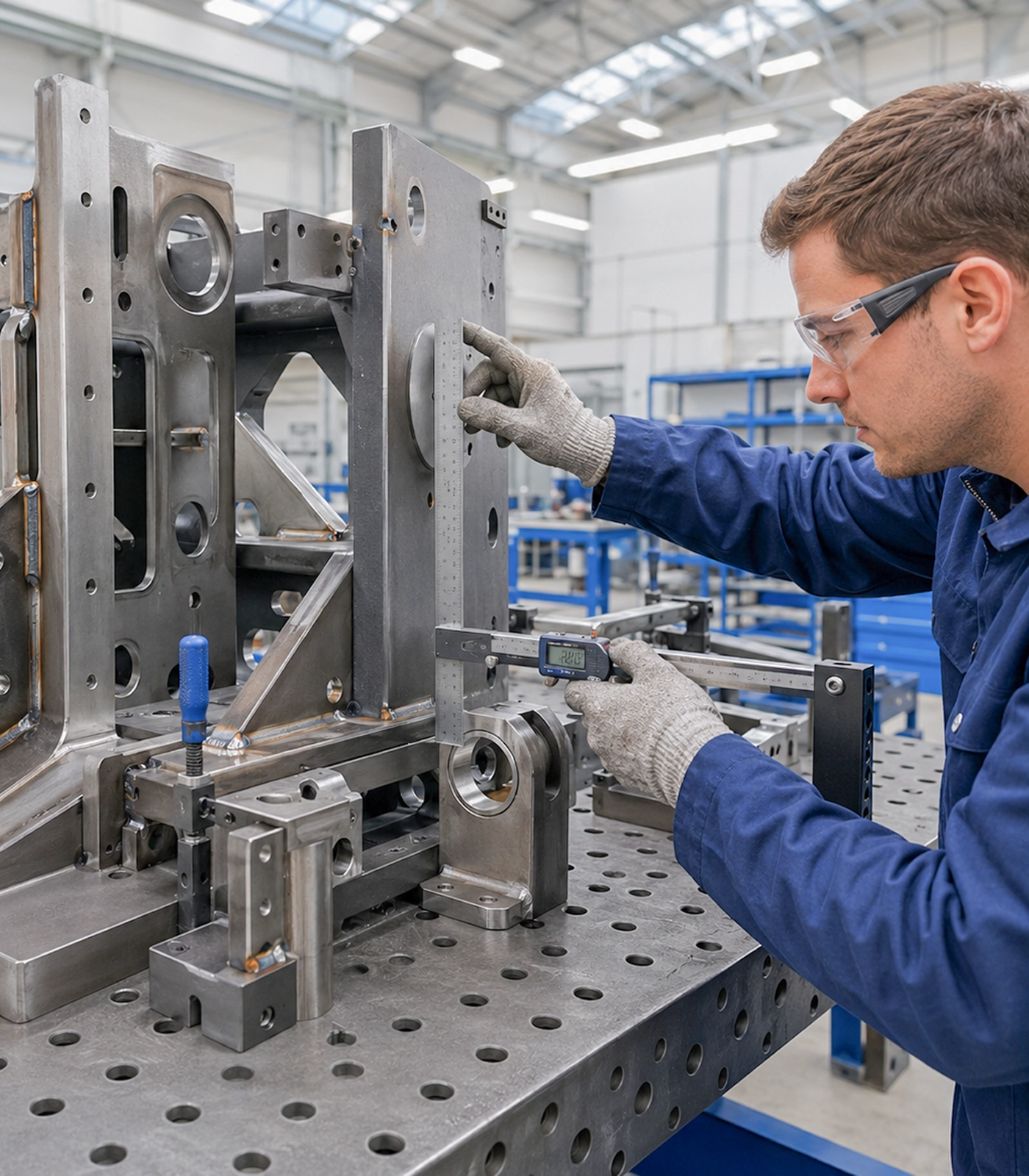
Within one order, we can combine workpiece preparation, assembly, welding and machining. This is especially important for equipment assemblies that require accurate datums, holes and fit surfaces after welding.
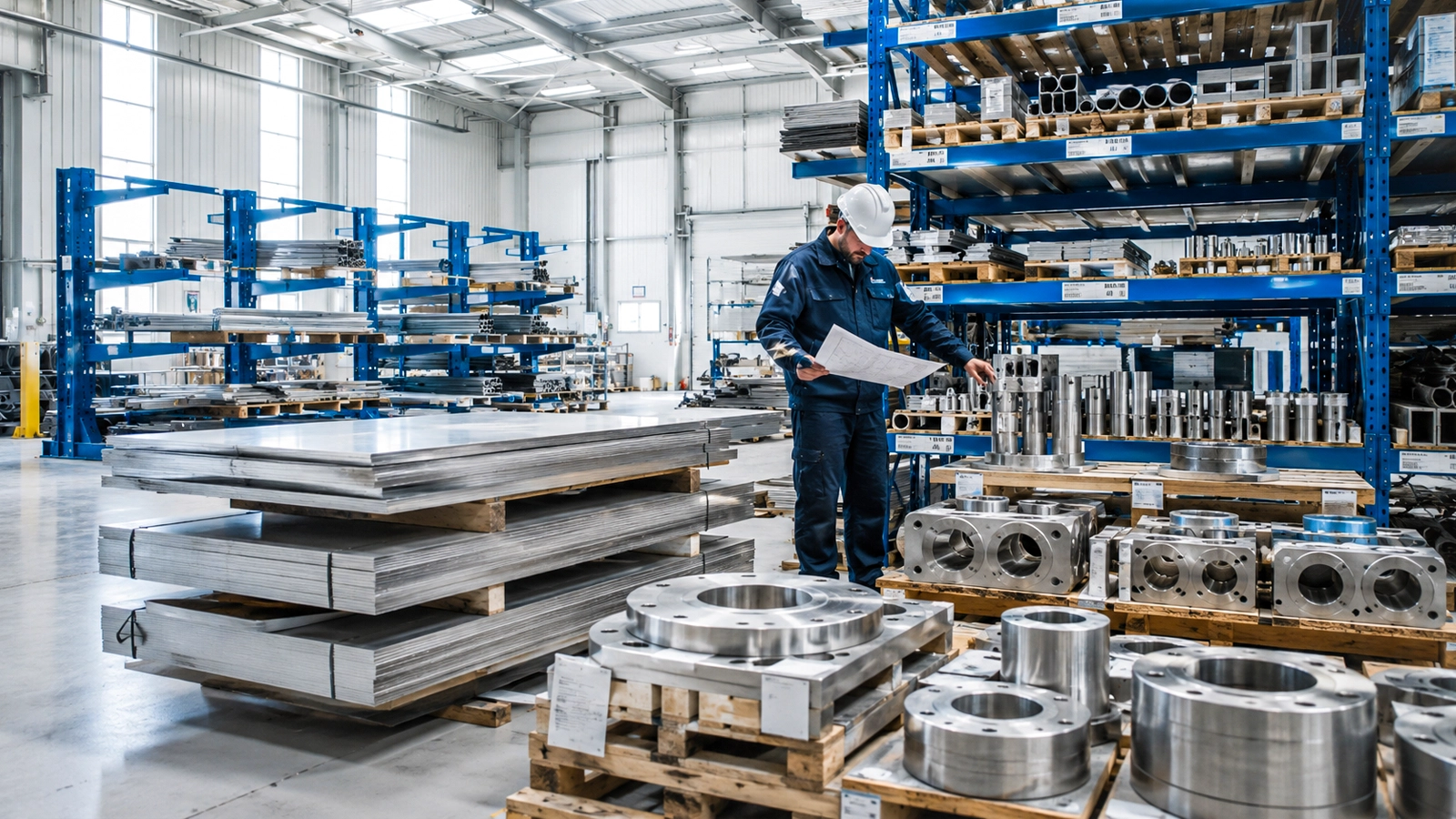
We prepare the components to the drawing: sheet, plate, profile, tube, flanges and machined elements.
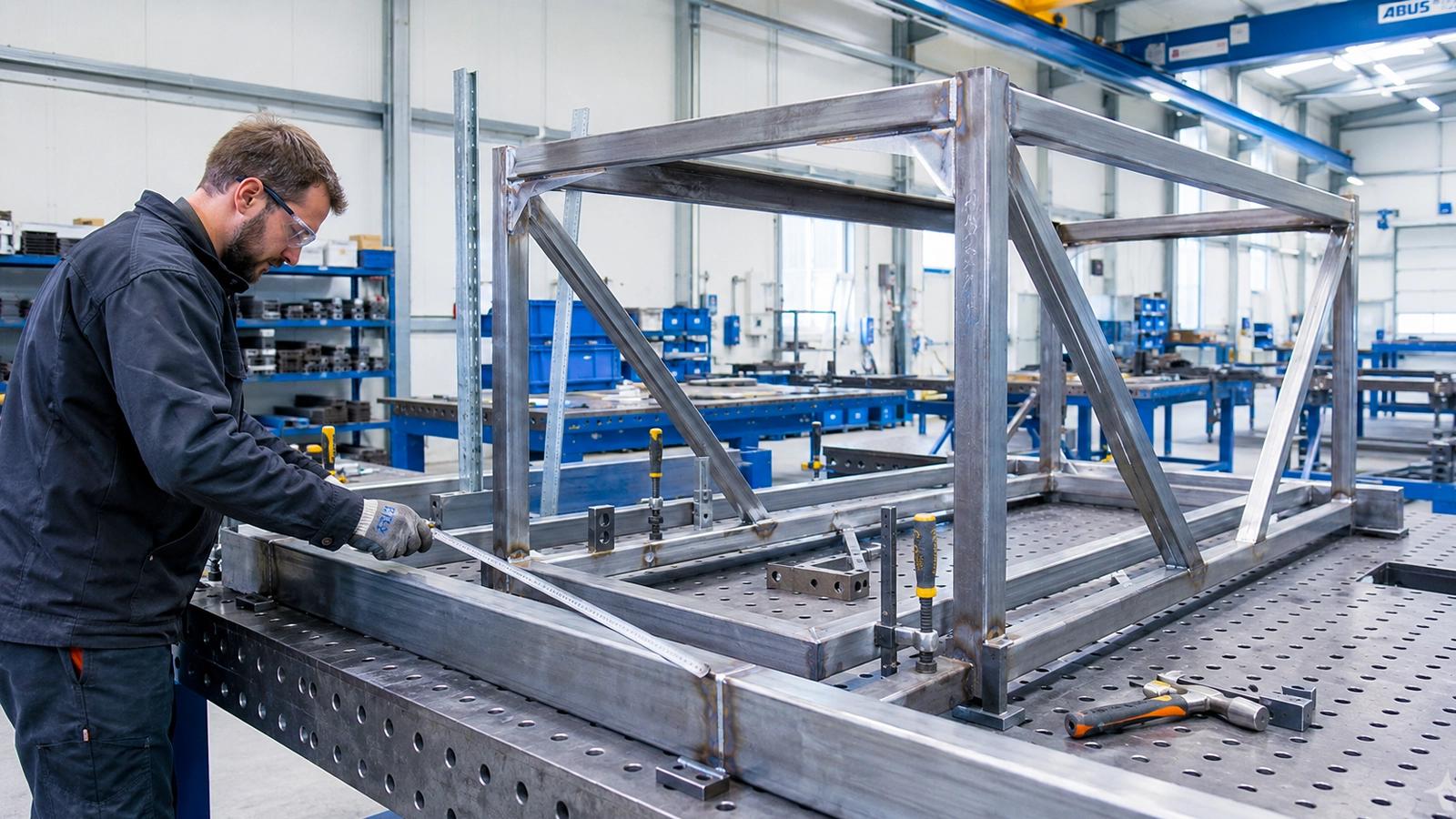
We position the parts, verify datums, diagonals and mounting dimensions, then tack the assembly before final welding.
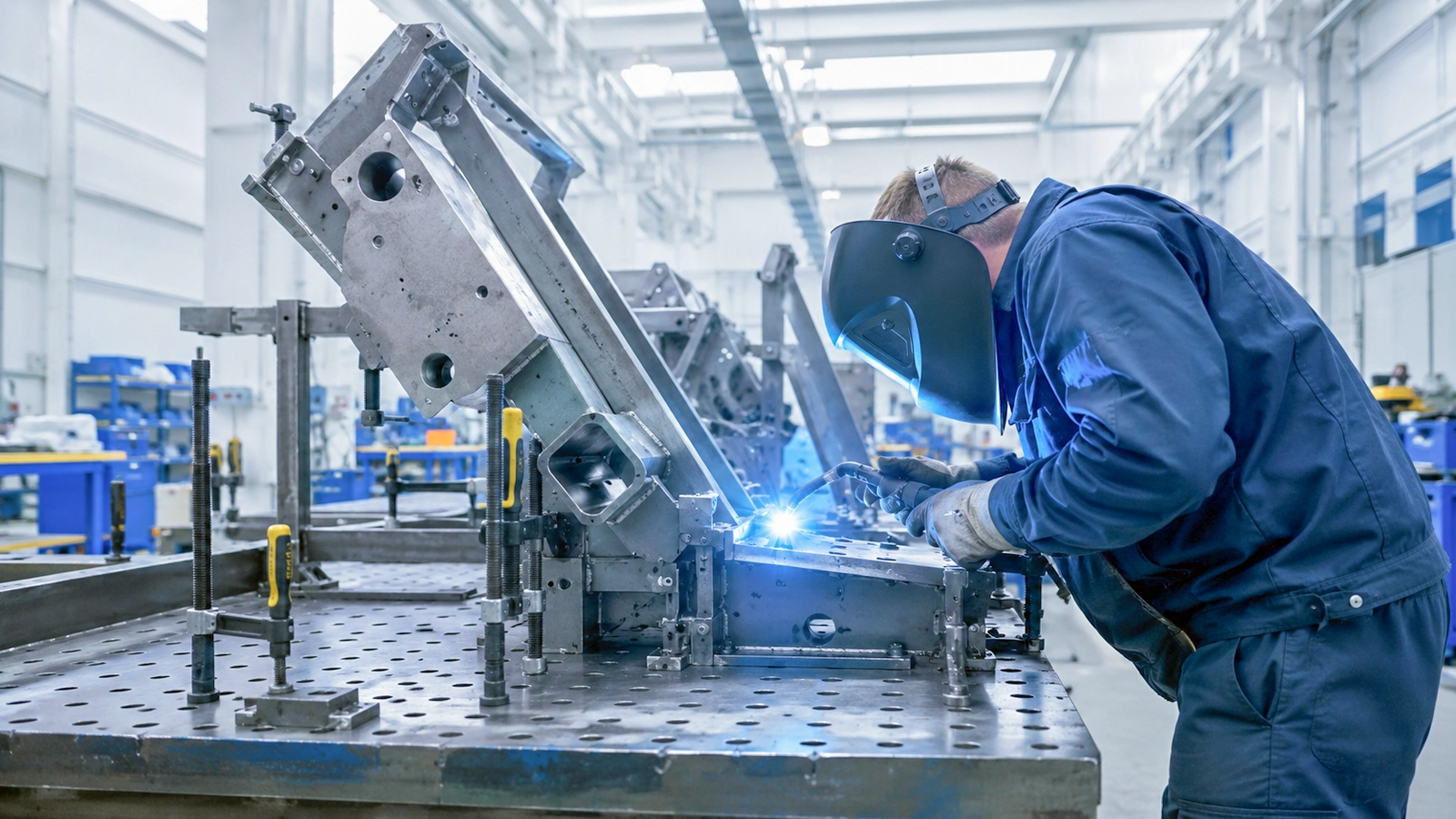
We weld using the agreed MIG/MAG, TIG or MMA process, accounting for material, thickness, access and sequence.
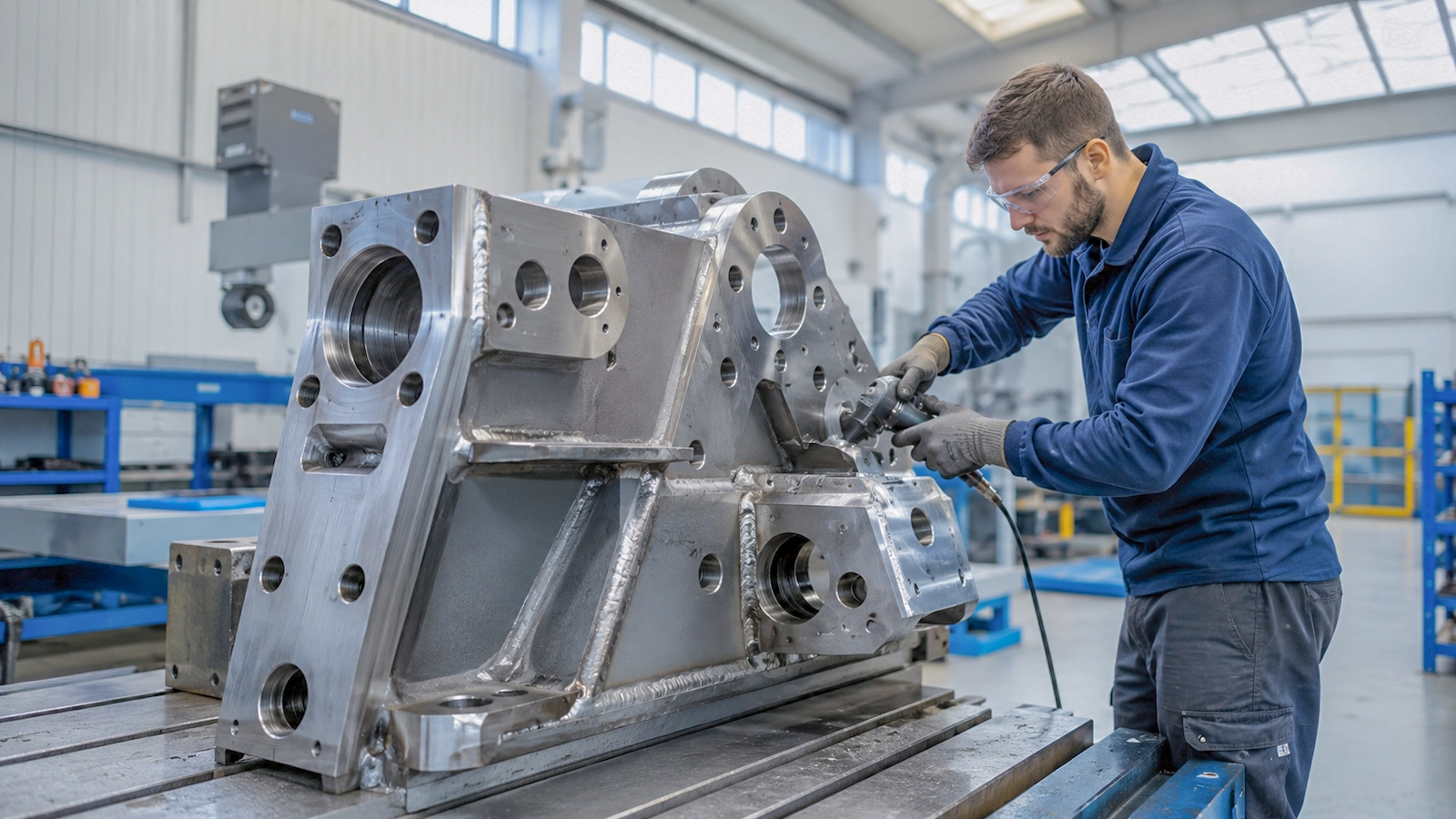
When required, we machine datum faces, holes and fits, dress the welds and prepare the assembly for final inspection.
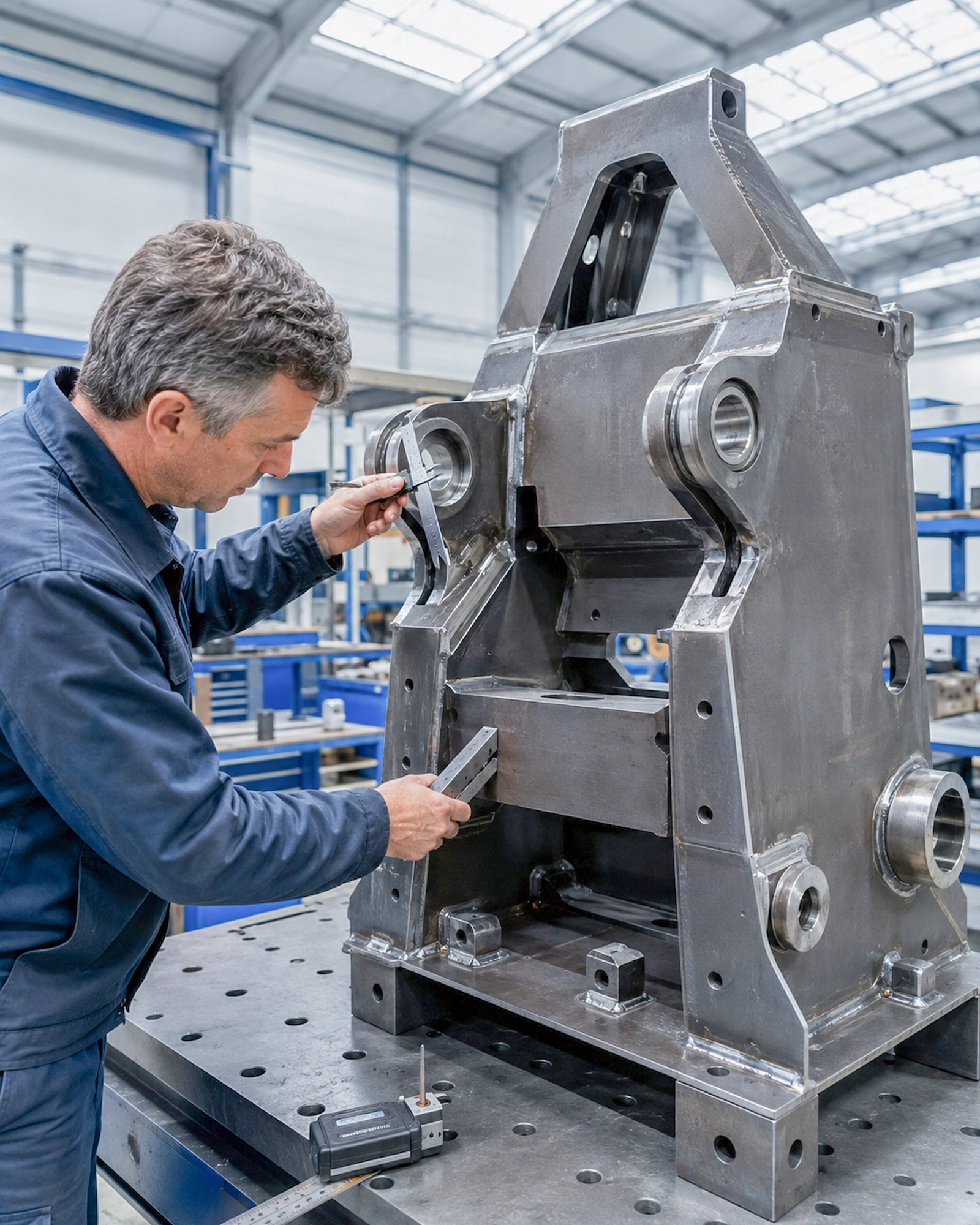
Inspection criteria follow the documentation and assembly function. We verify completeness, geometry, visible weld condition, mounting holes, datum surfaces and final dimensions that affect downstream assembly and performance.
We verify the drawing, specification, material, document revision and component set before assembly.
We check overall dimensions, diagonals, relative component positions, mounting points and critical datums.
We visually inspect welds against the drawing and agreed acceptance criteria.
Before handover, we verify critical dimensions, completeness and compliance with the agreed requirements.
We focus on B2B projects where documentation, repeatable geometry, compatibility with mating parts and a stable production route matter. Each product is defined by the customer's design rather than a standard catalog.
We receive the drawing, engineering documentation, 3D model, sketch or technical specification and confirm the application, material and quantity.
We define the welding process, edge preparation, assembly sequence, fixtures and inspection points.
We confirm the operations, material, machining requirements, price, lead time and handover or delivery format.
We prepare the components, assemble, tack and weld them, with machining and finishing added where required.
We inspect key dimensions, welds and completeness, then prepare the assemblies for pickup or delivery.
Industrial welding cost depends on more than weld length. Key factors include material and thickness, number of components, edge preparation, welding process, joint accessibility, geometry requirements, post-weld machining and batch size.
Send a drawing or sketch, material and thickness, quantity, overall dimensions and finished-assembly requirements. If some information is missing, our engineer will clarify what is needed for an accurate estimate.
We will review manufacturability and confirm the material, thickness, welding process, geometry, quantity, machining and other requirements for the finished assembly.